
Explore
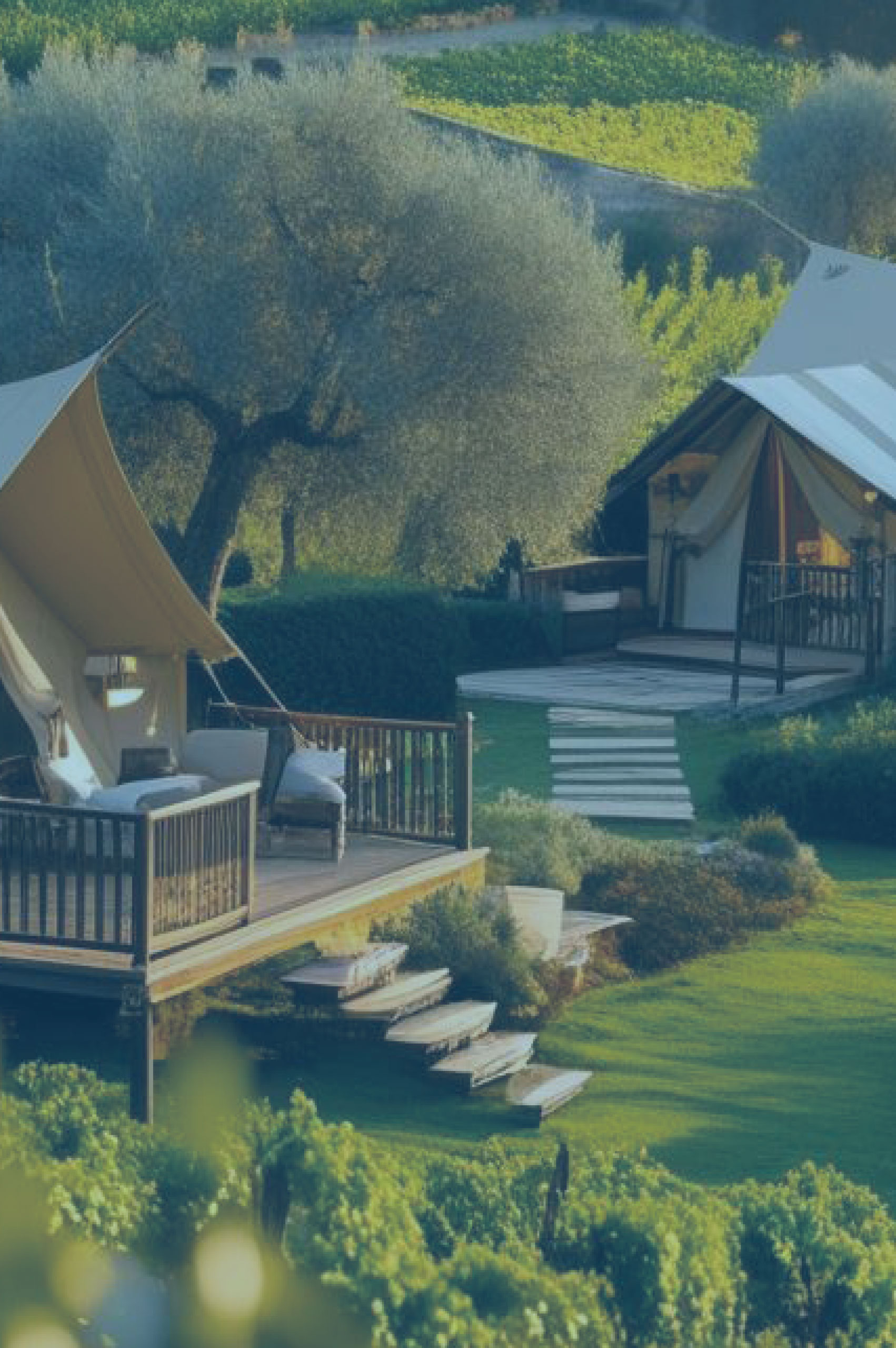
Accommodation | Well-being | Sustainability
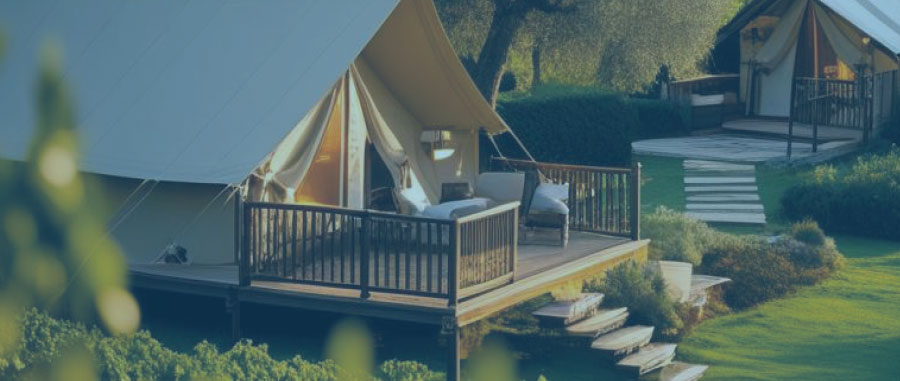
Hotels, Residences, B&Bs, Agritourism farms and Glamping sites, well integrated into unique historical and natural settings, offer tailor-made hospitality experiences where guests can immerse themselves in local culture and traditions, interact with local communities and savour every moment at a relaxed pace. Nowadays, an increasing number of establishments combine genuine hospitality and tranquillity with wellness services, often through dedicated partnerships, all the while staying true to their core commitment to sustainability in terms of minimising environmental impact and supporting the local economy.
Accessibility | Responsibility | Inclusivity
At the same time, given the emphasis on small-scale accommodation facilities, personalised itineraries and interaction with local residents, slow tourism has a natural capacity to integrate accessibility and foster inclusiveness in the travel experience. It is no coincidence that many hotels in Italy have made a name for themselves by introducing features such as ramps, lifts and tactile paths to ensure their facilities are accessible to all.
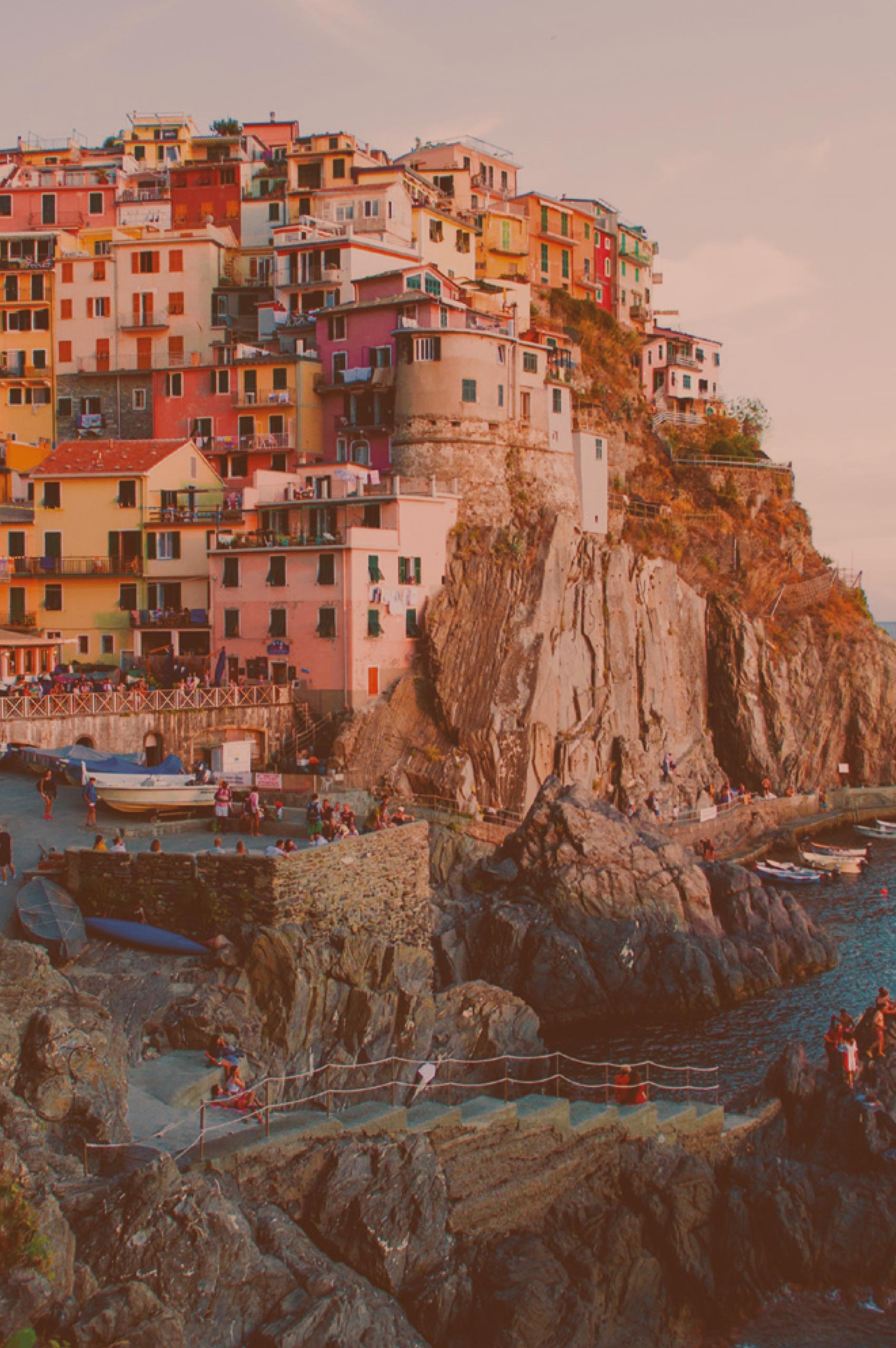
Villages | Walks | Water Courses
These range from trails for those who wish to immerse themselves in nature, to opportunities for exploring picturesque canals, bridges, and waterways that animate fascinating networks of water courses, and much more besides.
Experiences | Technology | Innovation
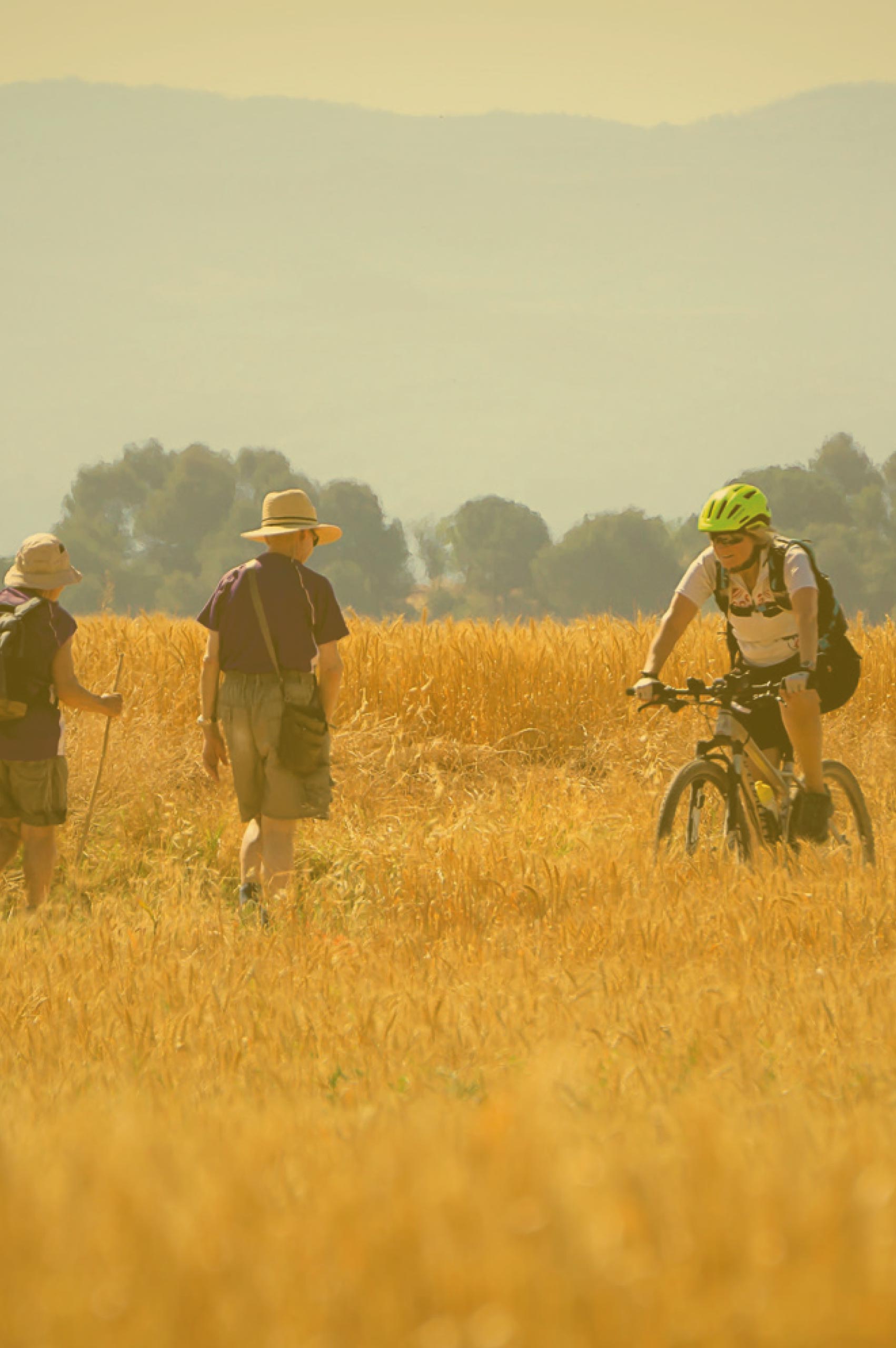
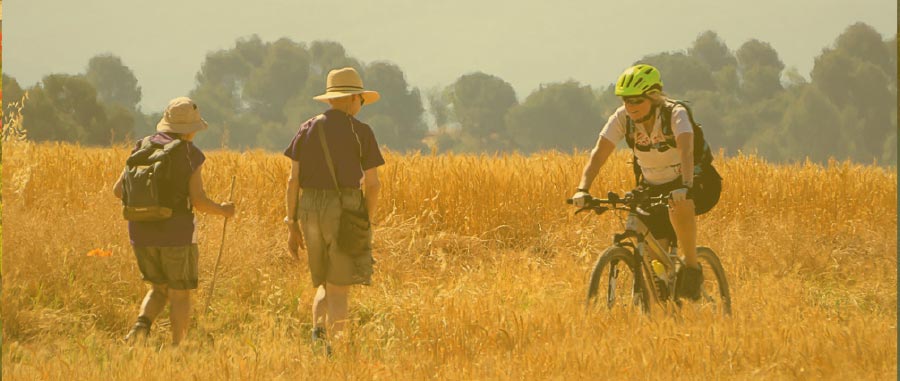
Tourist guides are increasingly promoting green, authentic and relaxing experiences, during which it is possible to visit places of interest while engaging in activities that bring visitors into close contact with nature and local culture, accompanied by tastings of typical local food and wine products.
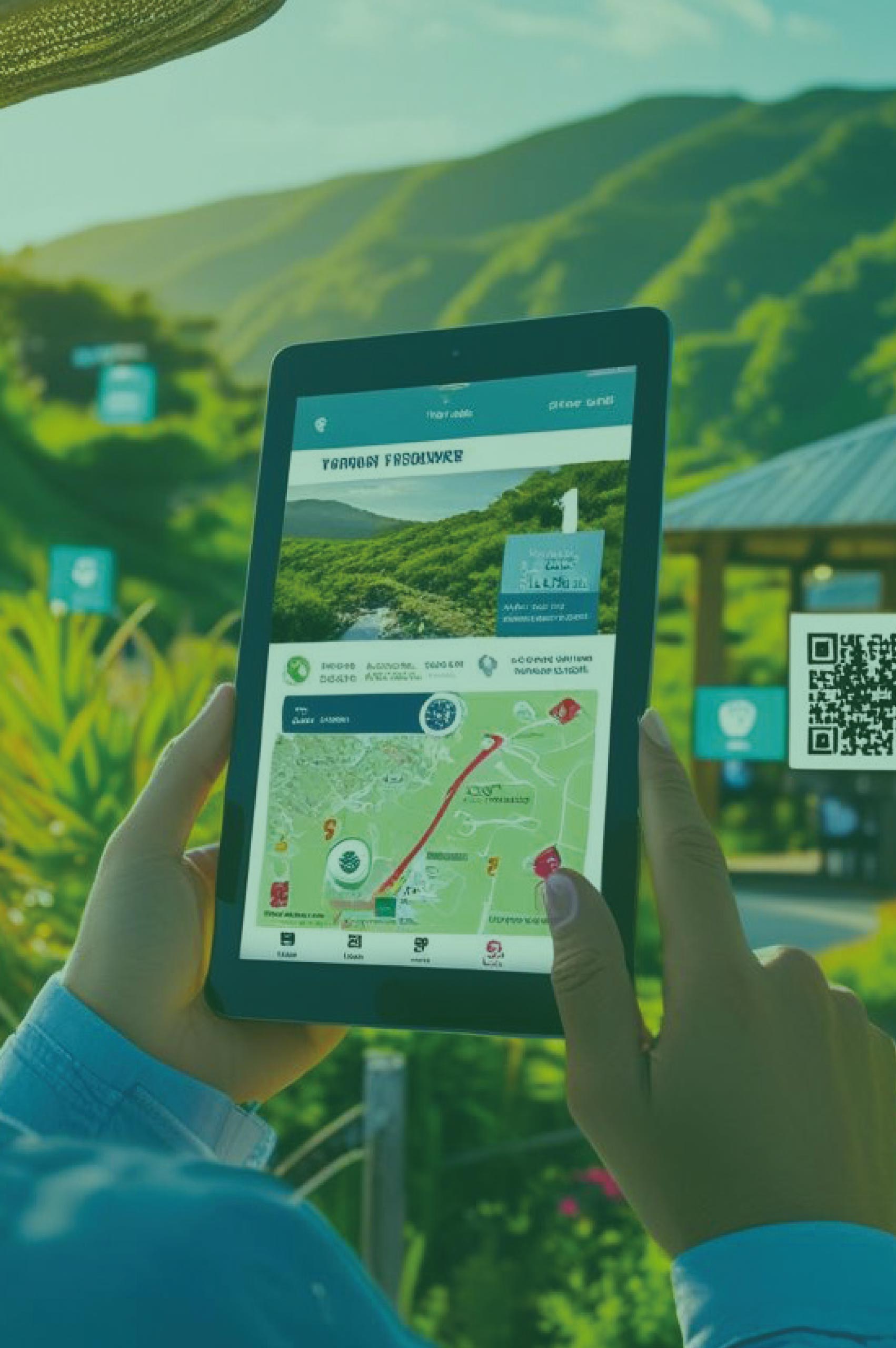
At the same time, slow tourism is establishing itself as the cornerstone of a regional tourism ecosystem that embraces innovation and experimentation with new digital technologies aimed at reaching, inspiring and engaging an ever-wider audience.
Artificial Intelligence, in particular, is providing new tools to make the sector more sustainable, improving resource management, personalising the traveller’s experience and contributing to environmental conservation, while creating long-term benefits for both operators and local communities.